Kari and Maureen
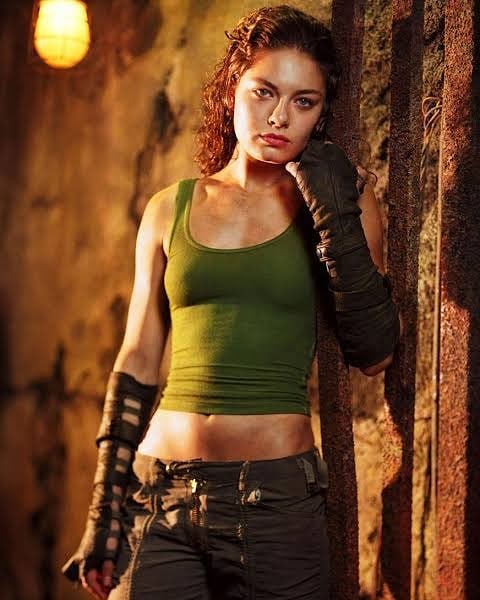
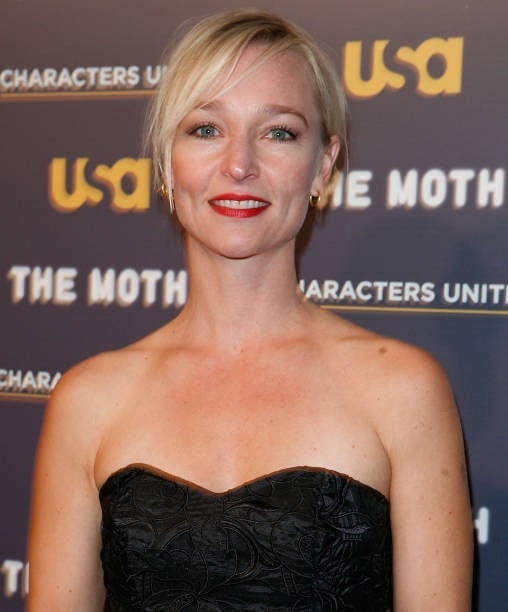
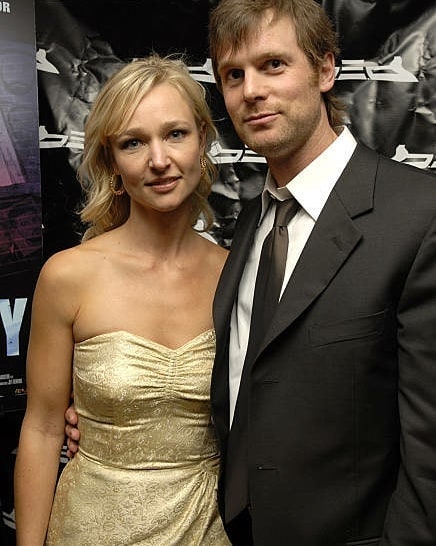
Canadian actress. Born in the village of Spalding Saskatchewan Matchett began her career in theater following her move to Ontario. The mid-1990s saw her begin a career on Canadian television. After that, she moved back to United States, where she appeared on The Secrets of Nero Wolfe Invasion 24-Hour Studio 60 In the Sunset Strip Ambulance Earth. It was the Last Conflict. She was awarded the Gemini Award, in 2001 for her part in the lead character on the Canadian television series The Department of Wet Cases. She also played the wife of one of the main characters for various seasons of the TV series Impact. In 2010 she played the character of Joan Campbell in the TV series Covert Operations. On the big screen she starred in the 2002 Canadian film Cube 2. Hypercube, and was also in Angel Eyes, Boys with Broomsticks and The Tree of Life . Divorced. She welcomed her daughter, Jude Lyon Matchett in June of 2013. Maureen O'hara..........................From her first appearances on the stage and screen Maureen O'Hara (b. Her beautiful beauty, stunning red locks and passionate characters of heroic heroines helped make her a household name in 1920. Whether she was saved from death row in Charles Laughton's The Hinchback (1939), 1939) as a love interest and discovering miracles alongside Natalie Wood on 34th Street (1947) or even rubbing shoulders alongside John Wayne on The Quiet Man in 1952, she delighted audiences with her confident appearance. Maureen O'Hara by Aubrey Malone is the only full-length biography on the screen legend called Queen of Technicolor. This book chronicles the screen icon's journey from her youth in Dublin up to her apex of fame Hollywood the film critic Aubrey Malone draws on new details from the Irish Film Institute production notes in films as well as details of historical film journal newspaper and fan publications. Malone is also a bit more in-depth about her relationship with frequent co-star John Wayne and her relationship with director John Ford and he addresses the controversial issue about whether the screen goddess was a feminist or an antifeminist character. While she was an iconic figure of the golden age of cinema, O'Hara's tendency to keep her privacy private and the habit of making public statements that contradicted her personal choices make her an unpopular figure. This groundbreaking biography gives the first glimpse of the person behind the bigger-than-life persona, delving into the myths in order to provide a fair assessment of one of the biggest actors of silverscreen.


Comments
Post a Comment